Celebrating 25 Years

Keller Augusta Quarterly Q&A: Q2 with Christina Smith
Jul 21, 2026
Development, construction, and asset management are areas to watch in the latter half of this year. Keller Augusta Managing Director Christina Smith is seeing a number of trends unfold in these spaces while working with firms and candidates to help shape hiring and career decisions. Keller Augusta can help you accomplish your hiring goals. Get in touch today.
As commercial real estate moves into the second half of 2026, there is a cautious optimism about the state of development and construction.
Though economic factors continue to make development difficult, there are some bright spots in senior living and suburban multifamily. Companies in a position to add staff are doing so with an eye toward candidates with experience across the full life cycle of development.
Construction remains challenging. Continued volatility around construction costs, materials pricing, and labor — coupled with slow decision-making on the part of end users — not only has resulted in slower hiring, but in hesitancy from candidates to consider new roles where there is no clear line of sight into future pipeline.
There is good momentum with asset management hiring as firms keep an eye on maximizing portfolio value. In this market, experience with multifamily asset management has been a key decision-making factor in hiring.
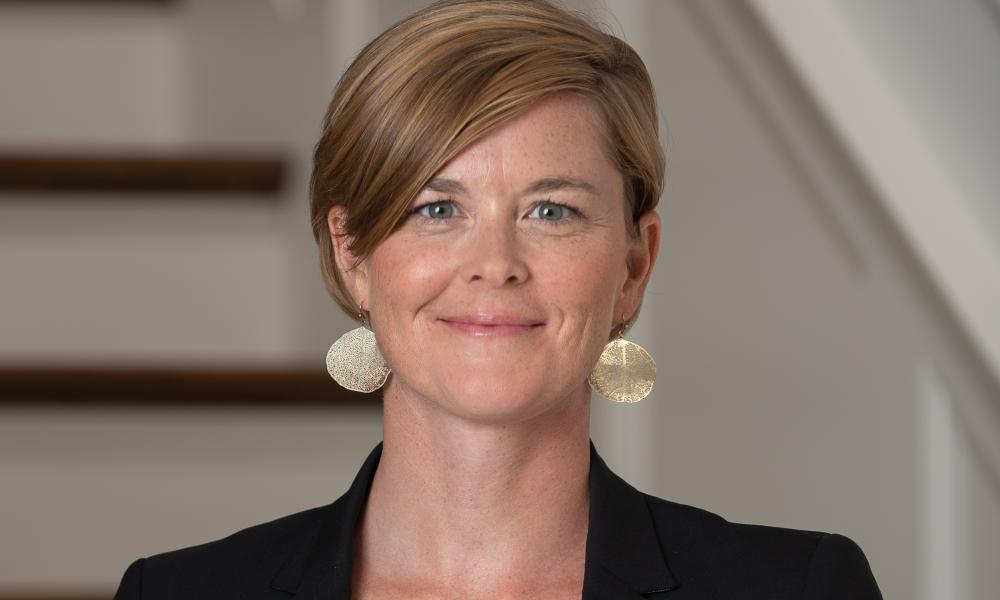
Keller Augusta Managing Director Christina Smith has logged more than 20 years of real estate industry experience and has particular depth in development, construction, property management, and asset management recruitment. Below she discusses the trends shaping this activity.
Tell us about your role at Keller Augusta and the clients you work with.
I came to Keller Augusta just over 11 years ago from the construction side of the industry. My background is in marketing and business development with firms including Suffolk, Lee Kennedy Co., and J. Derenzo Co. I started out at Keller Augusta recruiting for construction and property management and over time I've expanded beyond that. Today, I lead development, construction, property management and asset management searches for clients across the country.
What are some of the biggest challenges and concerns your clients have expressed through the first half of the year as they think about building out their teams?
Capitalization is still an issue. Developers struggle to get deals to pencil, whether it’s due to interest rates, construction costs, or local issues, like affordable-housing requirements; it can feel like a perfect storm of economic factors making development especially difficult. So clients are feeling pressure from different directions.
In development particularly, timing the hire is a big consideration. Firms can work on a development for a very long time, so the question becomes when to commit to adding staff. How companies structure and time the build out of a team depends heavily on which projects are real and how long they'll take to materialize.
How would you characterize the shift over the last few years towards more senior-level talent?
We're starting to see roles that are more focused on execution as projects start to move along, and this is especially true for clients on a fund structure, where they have capital they need to deploy.
Development hiring is increasingly focused on full-cycle expertise and the most successful candidates demonstrate command across each facet of a deal. Candidates need to understand the model, show experience navigating the entitlements and approvals process with municipalities, manage design teams and oversee construction execution.
Has the slowdown in development changed the way clients think about asset management roles?
When development slows and companies aren’t transacting within the portfolio at the same pace, it’s vital to maximize the existing portfolio by driving value, finding efficiencies, and being able to shift gears when market economics push asset plans off course.
Companies are being deliberate about asset management. Current vital hiring trends include expertise overseeing leasing, driving repositioning or value-add strategies, and experience with multifamily assets, in particular.
What's encouraged you about where your clients are right now?
I'm thrilled that we’re seeing more development searches. The simple fact that those roles exist, and that they're skewing toward senior, execution-focused hires, is great.
We're also seeing clients get creative to find opportunity, expanding into new geographies or asset types to open up development pipelines. Senior housing, especially, has been a bright spot this year, with several developers partnering with senior-living operators. Developers are pivoting to new asset types, new partnerships, and new markets, and it seems to be working.
AI has been a major topic of disruption — in construction, property management, and beyond. How do you see it playing out and affecting hiring?
I haven't seen AI directly impact hiring. I'm hearing more about how firms plan to use it to streamline workflow for the people already in house.
In residential property management, for example, clients are using AI for virtual tours, which frees up leasing teams to spend in-person time with serious prospects, and it gives them useful data. In construction, firms are experimenting with ways to automate and streamline work. We also recently talked with a client experimenting with AI for lease administration, but they still felt someone had to review and fine-tune what the AI agent produced.
Across the board, AI is being deployed as a tool to enhance people's work or free them from tedious work, not eliminate roles.
For more Keller Augusta insights, visit the firm's LinkedIn or website.
